Build the Leader.
Leadership begins with the ability to govern yourself — your responses, standards, responsibility, courage, and actions.
PRAUS (prah-oos)
What makes strength trustworthy?
Not the absence of power. The ability to govern it, develop it, direct it, stand steady under pressure — and use it to create strength in others.
The Word
PRAUS comes from an ancient Greek word commonly translated as meek or gentle.
Today, meekness is often mistaken for weakness, passivity, or a lack of conviction. PRAUS points toward something different: strength that is not erased, but governed. Strength that knows what it serves. Strength capable of yielding without becoming weak.
We call it Strength Surrendered.
Strength Surrendered
It's deciding what your strength will serve.
The question is not whether you have strength. Who holds the reins?

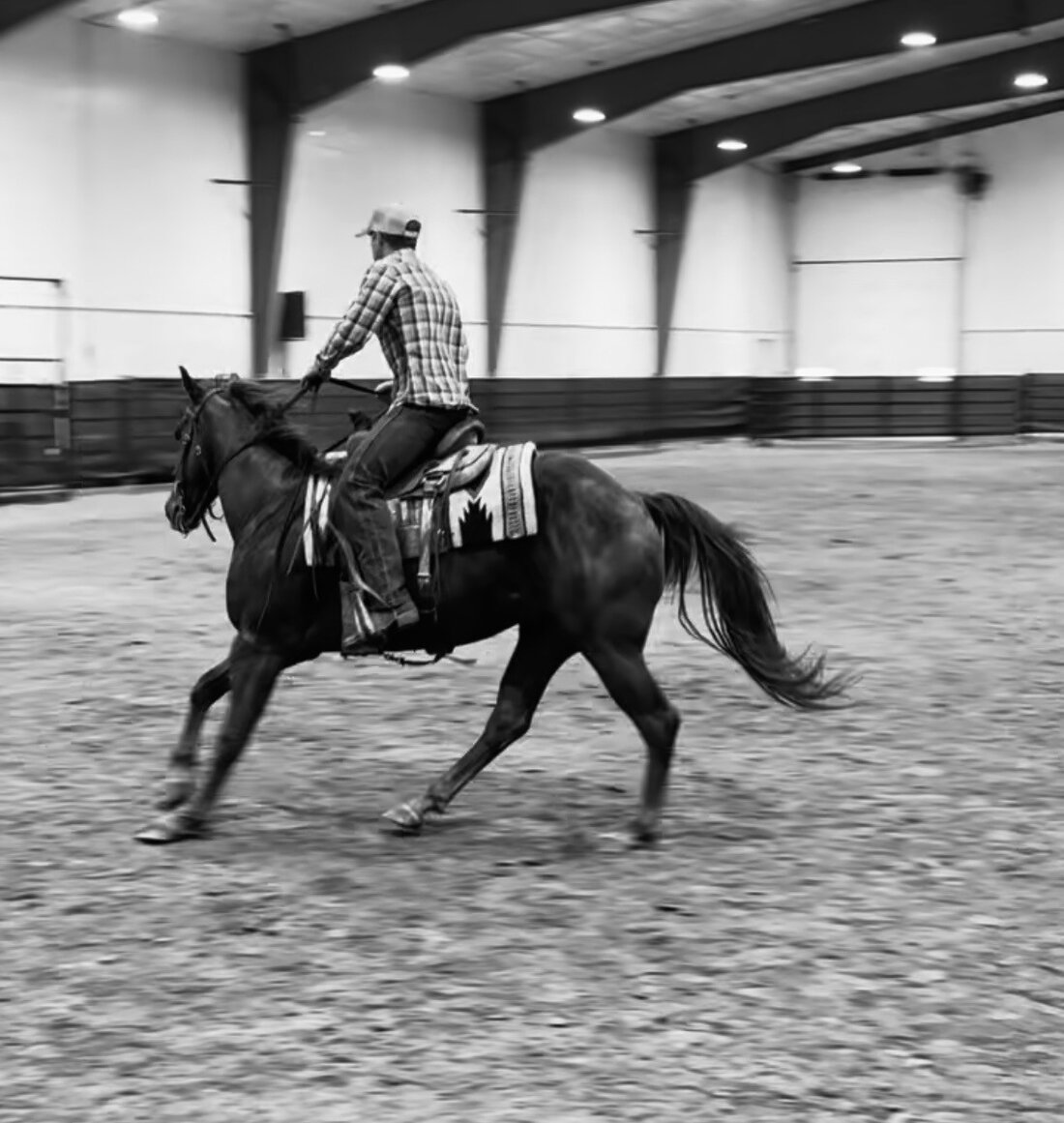
The Horse Makes It Visible
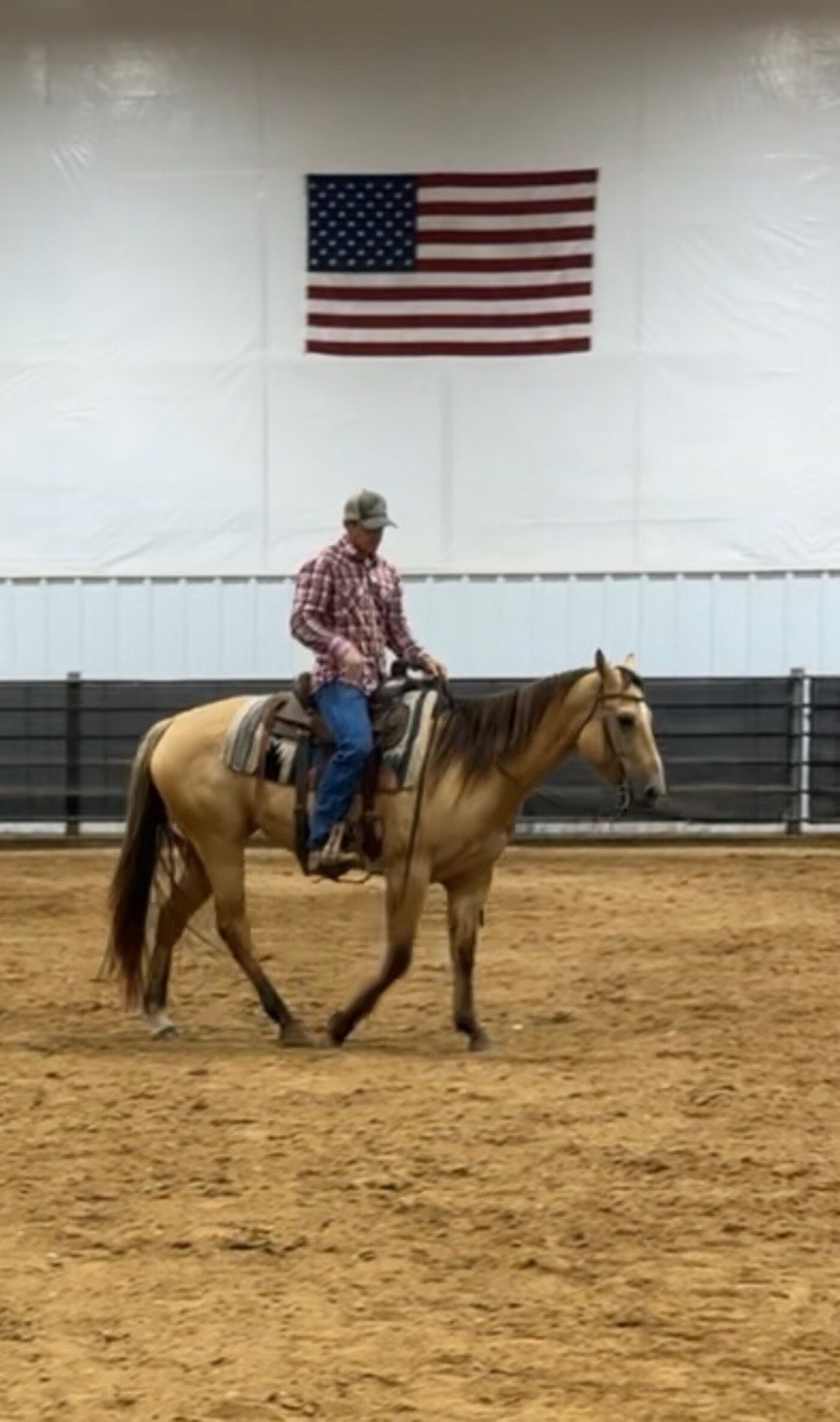
A horse isn't developed by simply spending more time in the arena. You ask something of it. It responds. You adjust. Pressure is applied and released. Confidence is built. Resistance reveals where more work is needed.
Through training and repetition, the horse learns to carry greater responsibility. Leadership development works much the same way. People don't become stronger leaders simply because they've held a title longer. They develop when they are challenged, given responsibility, coached through what happens, and given the opportunity to try again.
Experience matters.
But experience alone doesn't develop us. What we learn from experience does.
The Leadership Translation
For PRAUS, developing strength is only the beginning. Leadership becomes meaningful when that strength changes what a team — and ultimately an organization — is capable of carrying.
Leadership begins with the ability to govern yourself — your responses, standards, responsibility, courage, and actions.
Individual strength becomes collective strength when people align around purpose, trust, standards, responsibility, and what matters most.
Leadership becomes multiplication when people around you become more capable of thinking, deciding, leading, and carrying meaningful responsibility.
Five Principles
These are not five disconnected lessons. They are five enduring questions that shape how a PRAUS leader develops and uses strength.
What governs my strength?
Submit strength to something greater than self. Decide what your strength will serve before pressure decides for you.
How am I developing my strength?
Strength becomes dependable through intentional practice, experience, reflection, recovery, and the willingness to keep learning.
Where am I directing my strength?
Attention determines direction. PRAUS leaders focus their strength on what matters instead of simply reacting to what is loudest.
What will I hold firm to when strength is tested?
Courage is revealed under pressure. Dependable leaders know their convictions, standards, and responsibilities — and remain steady when holding them becomes costly.
What will my strength produce beyond myself?
The goal is not merely to possess strength, but to multiply what has been entrusted to you by building greater capacity in people, teams, and organizations.
The PRAUS Standard
When responsibility grows and decisions get harder, leadership reveals what it is built on.
From Philosophy To Practice
If this is the kind of leadership you want to develop, the next question is how PRAUS can meet your organization where it is.
Work With Us →